University & research
Small Size League (SSL)
Teams of fast wheeled robots play with an orange golf ball under a shared overhead camera, showcasing high-speed multi-agent coordination.

 Organized & hosted in Canada by CNRS
The international scientific initiative to advance robotics and AI
Founded in 1997, RoboCup is famous for fully autonomous robot soccer, plus rescue, @home service, industrial and junior leagues. CNRS organizes the Canadian Open and supports Team Canada to the world championship.
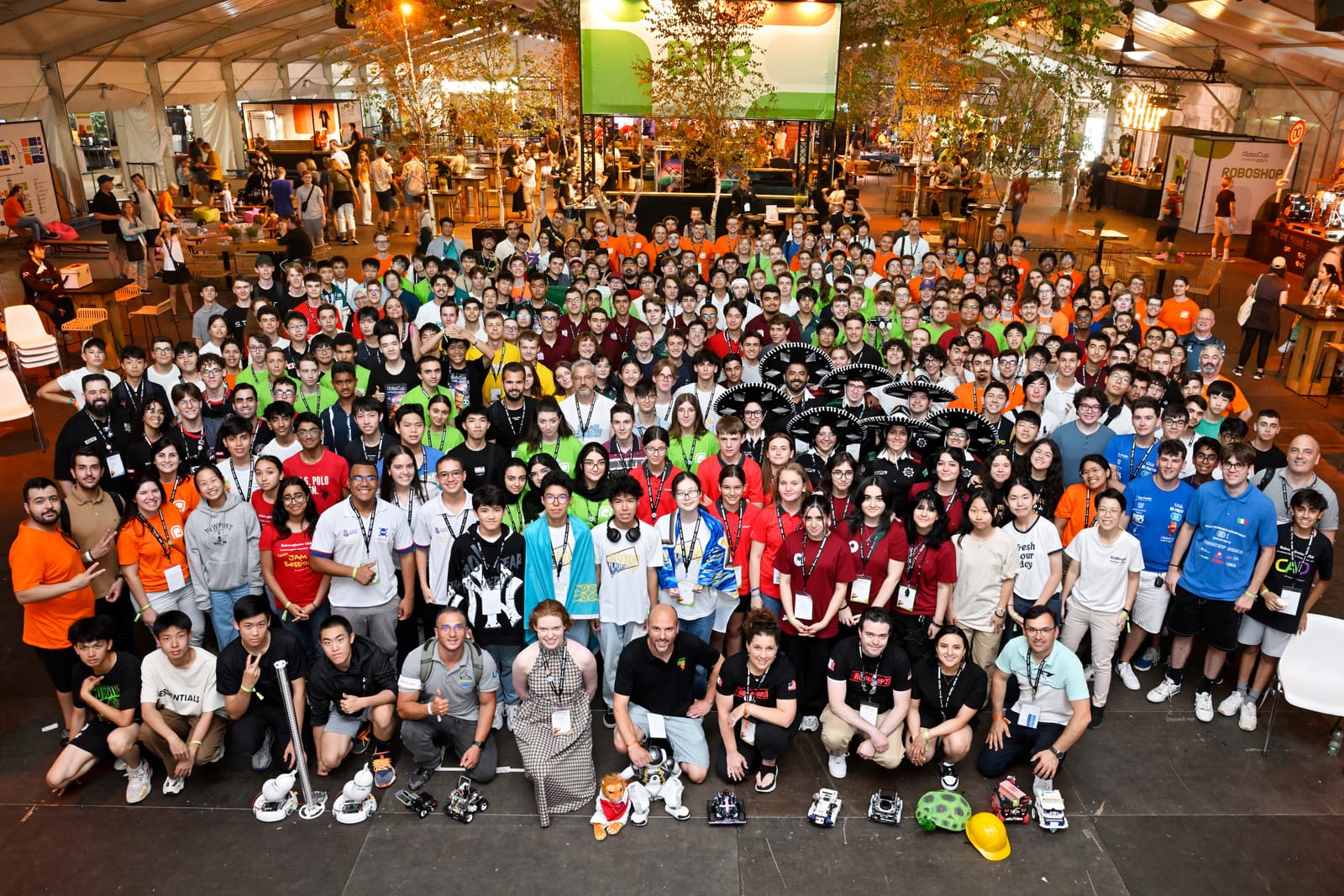
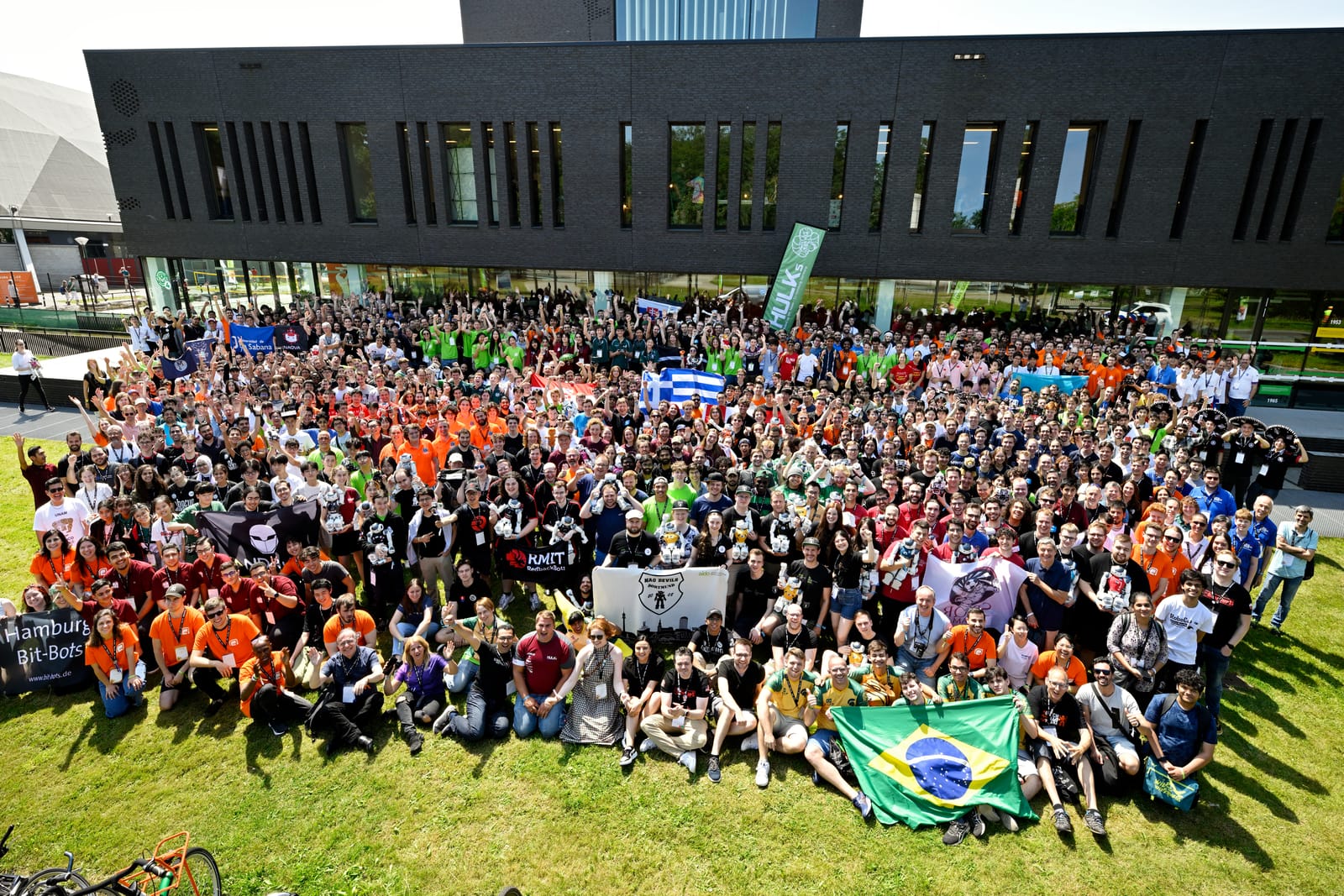
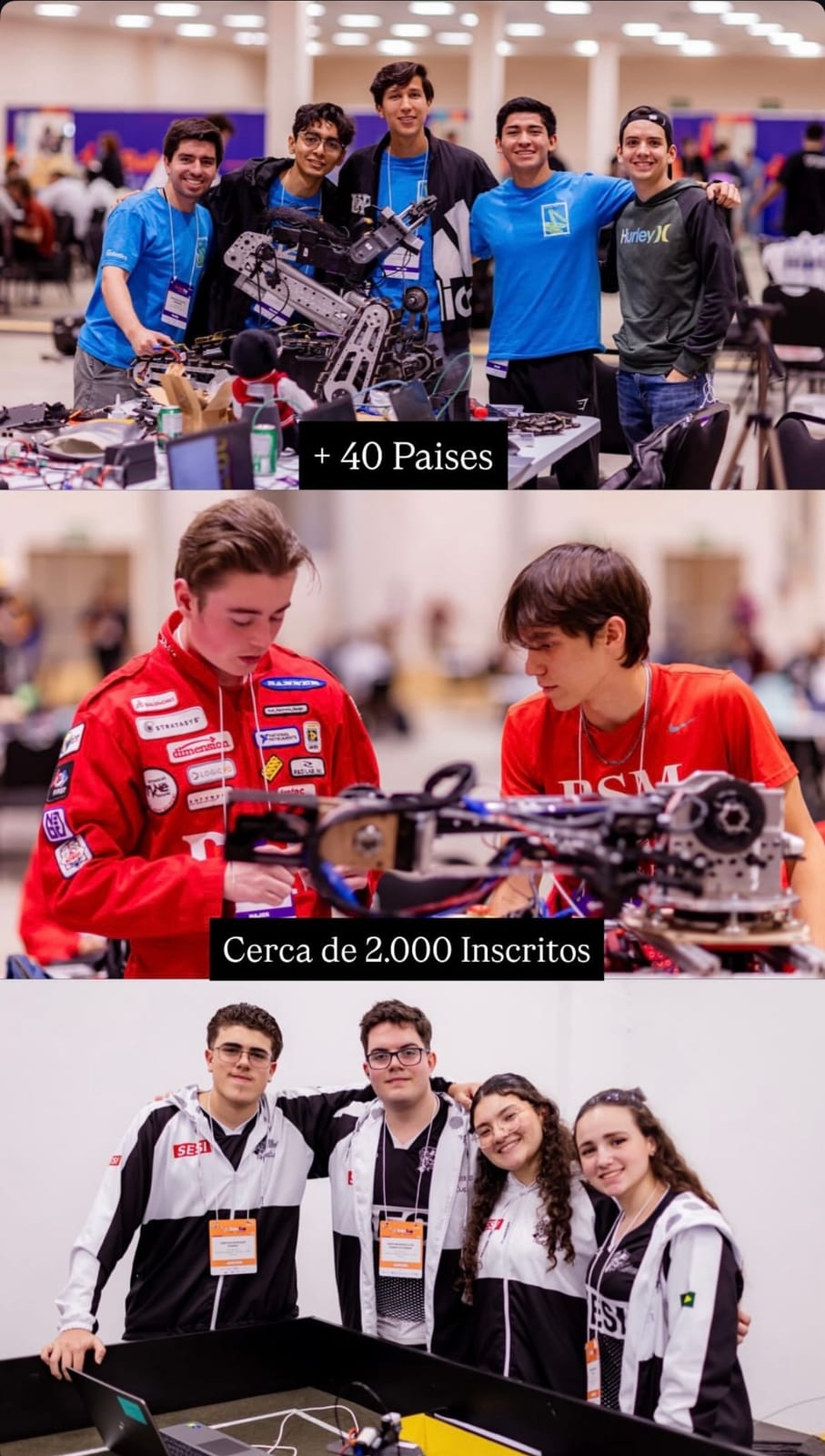
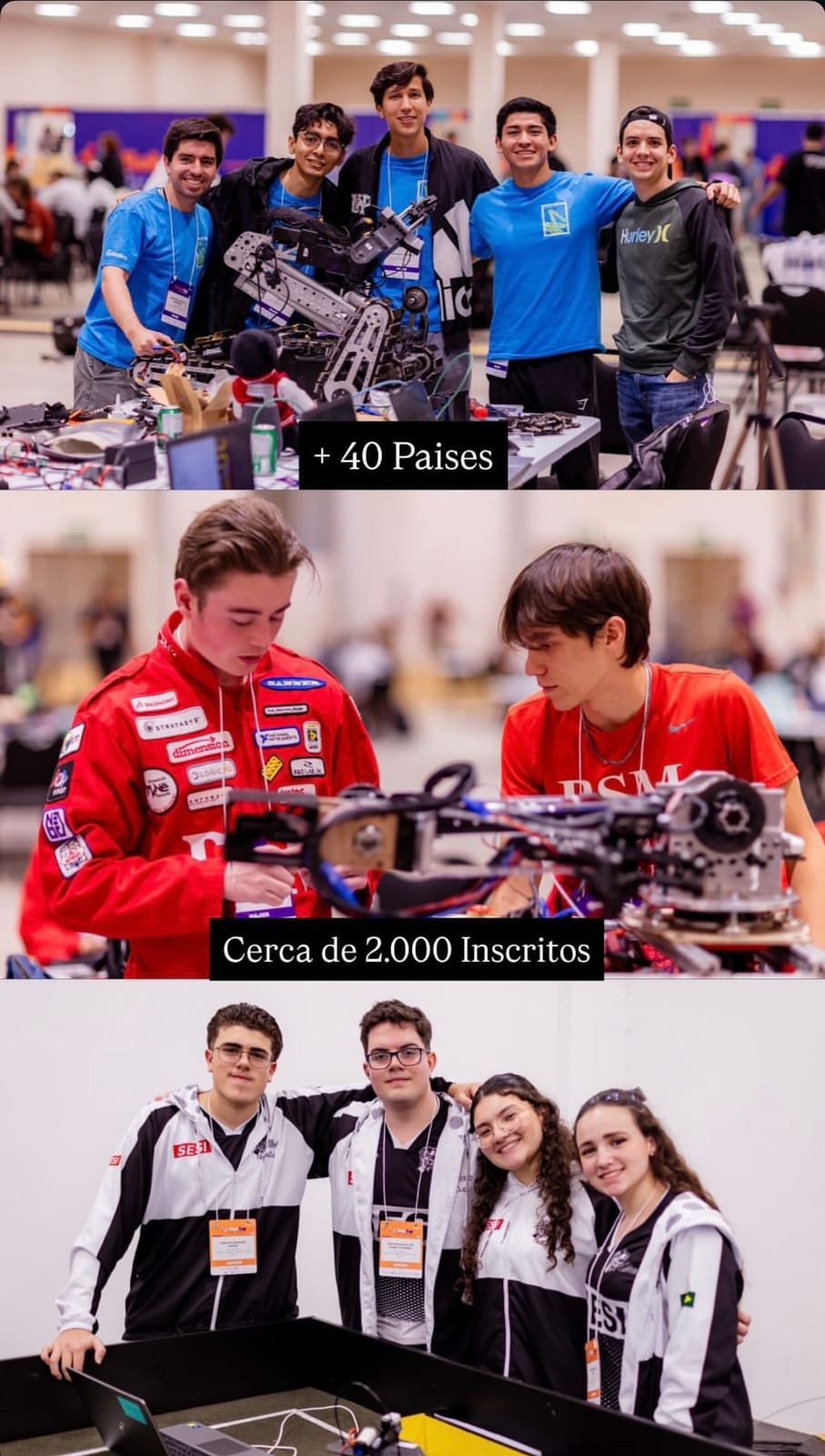
RoboCup is an international scientific initiative with the goal to advance the state of the art of intelligent robots. What began as autonomous robot soccer now spans five research domains, from disaster rescue to domestic service robots, drawing thousands of university and research teams worldwide each year.
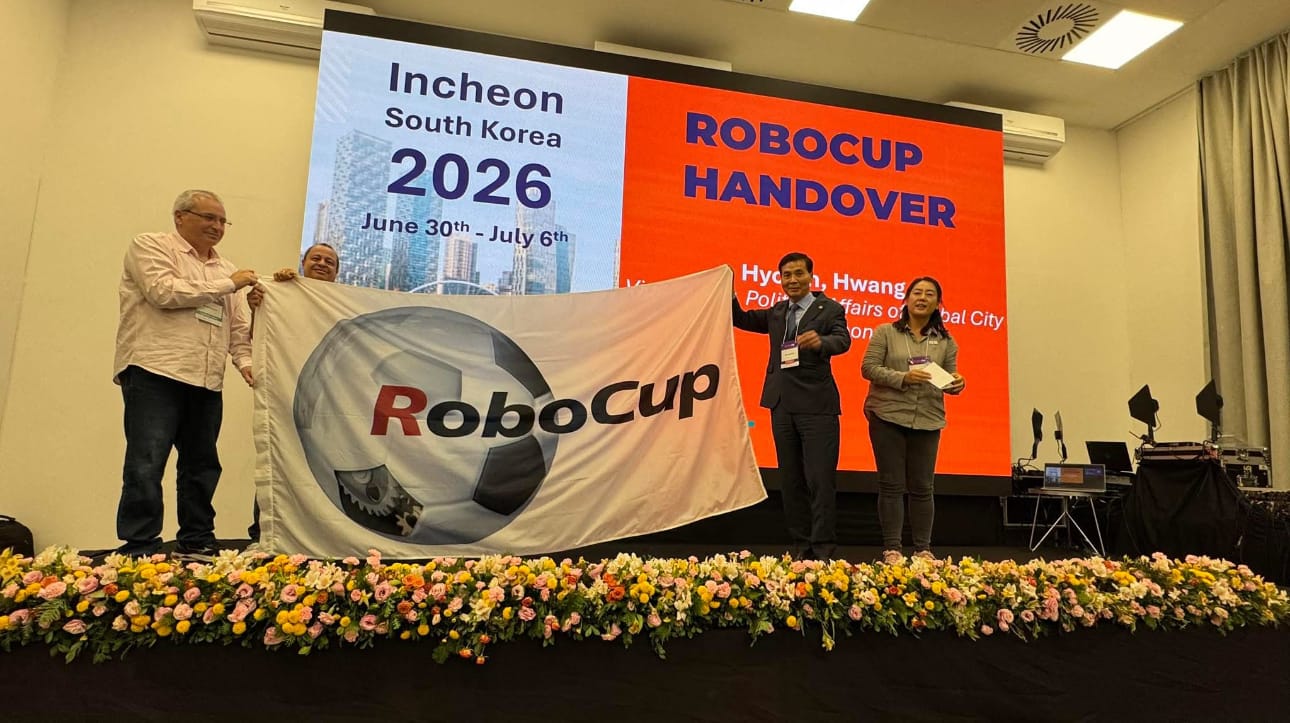
Its famous moonshot: “By the middle of the 21st century, a team of fully autonomous humanoid robot soccer players shall win a soccer game, complying with the official rules of FIFA, against the winner of the most recent World Cup.” The next world championship, RoboCup 2026, is in Incheon, South Korea.
CNRS hosts it in Canada
RoboCup Canada Open 2026
We organize and run the Canadian edition — here's when and where.
By the middle of the 21st century, a team of fully autonomous humanoid robots shall beat the human FIFA World Cup champions — the moonshot that drives every RoboCup league.
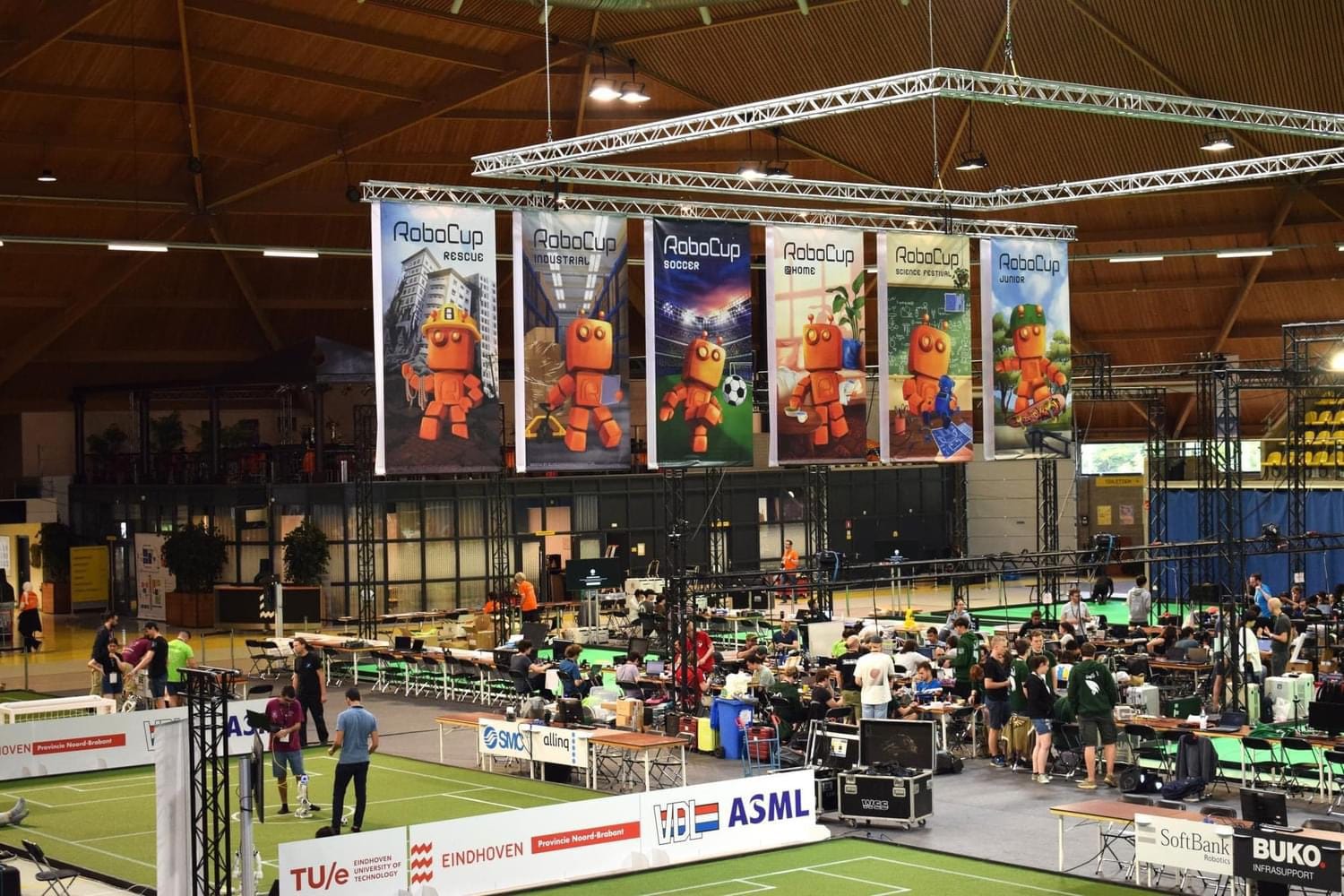
RoboCup is organized into five major domains, each with its own leagues. Soccer, Rescue, @Home and Industrial are university/research competitions; RoboCupJunior is for school students up to age 19.
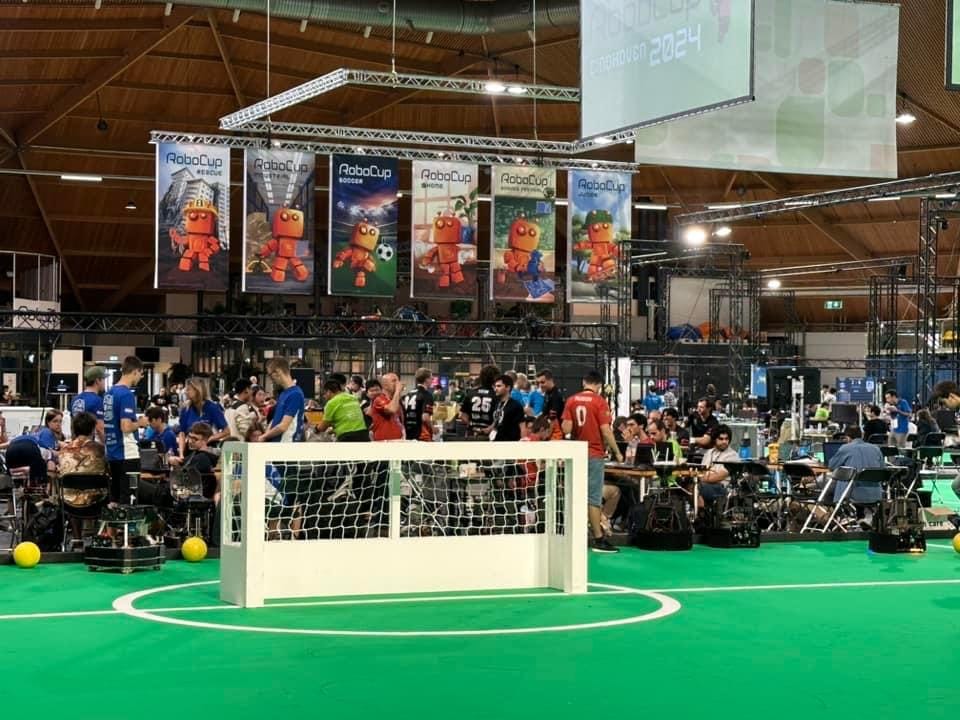
University & researchTeams of fast wheeled robots play with an orange golf ball under a shared overhead camera, showcasing high-speed multi-agent coordination.
 University & research
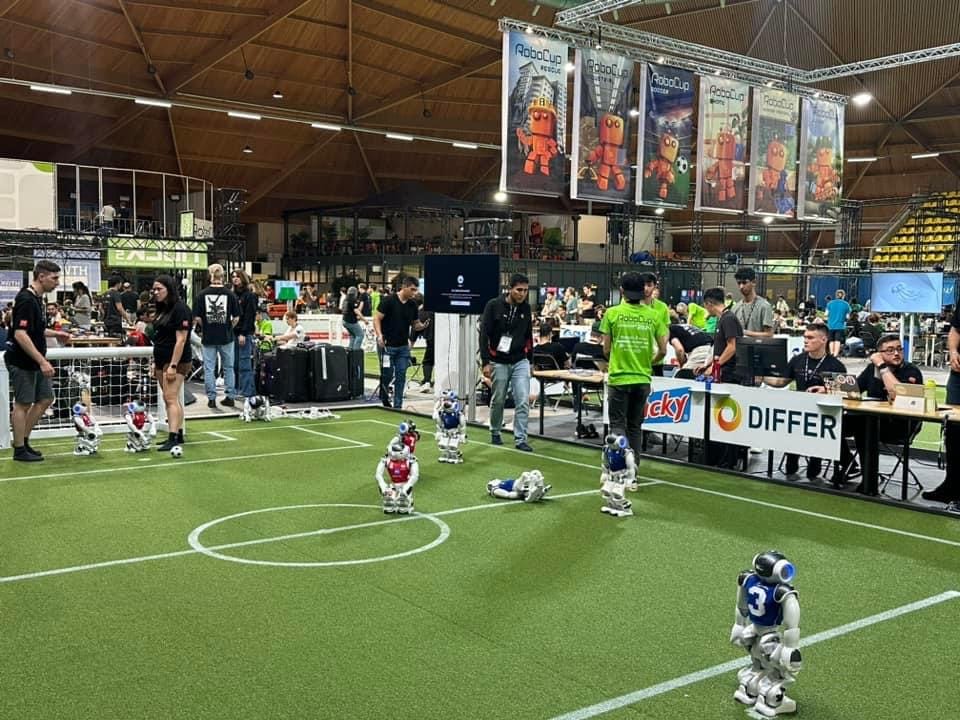
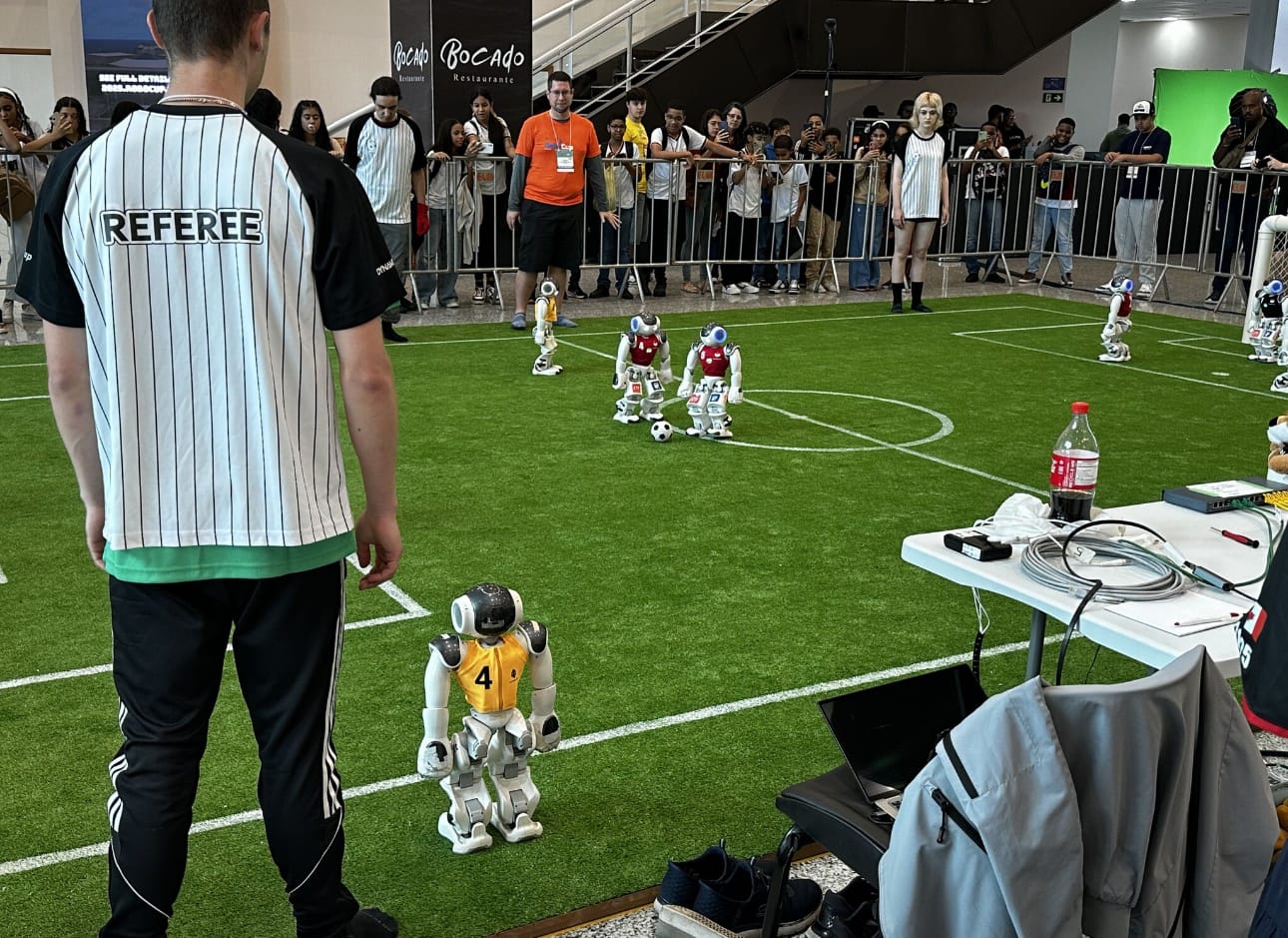
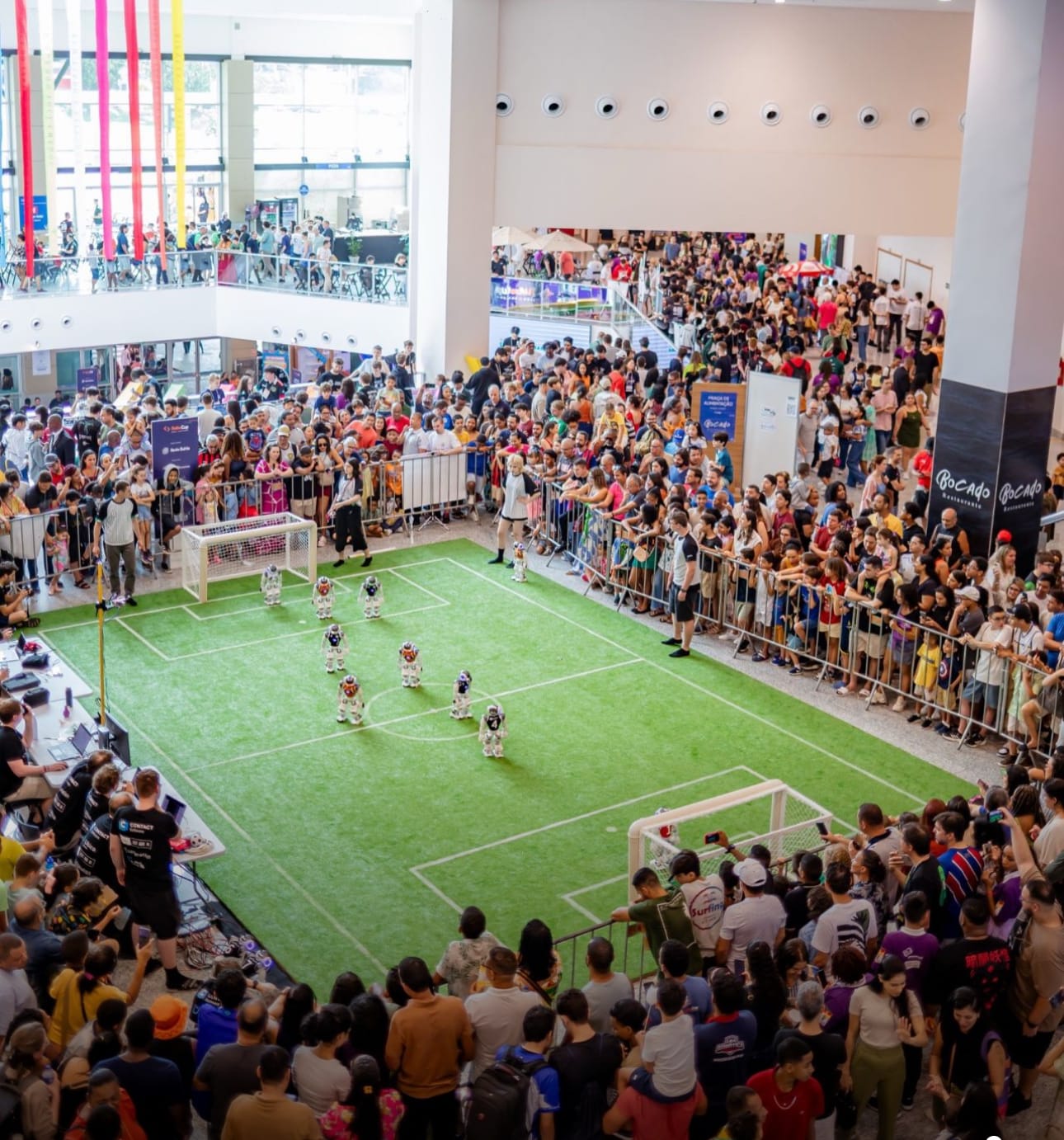
Five fully autonomous robots per side play with a regular FIFA ball using only onboard sensing — mechatronics meets multi-agent cooperation.
 University & research
Software agents play soccer on a virtual pitch with no hardware — pure focus on AI, learning and team strategy in 2D and 3D.
 University & research
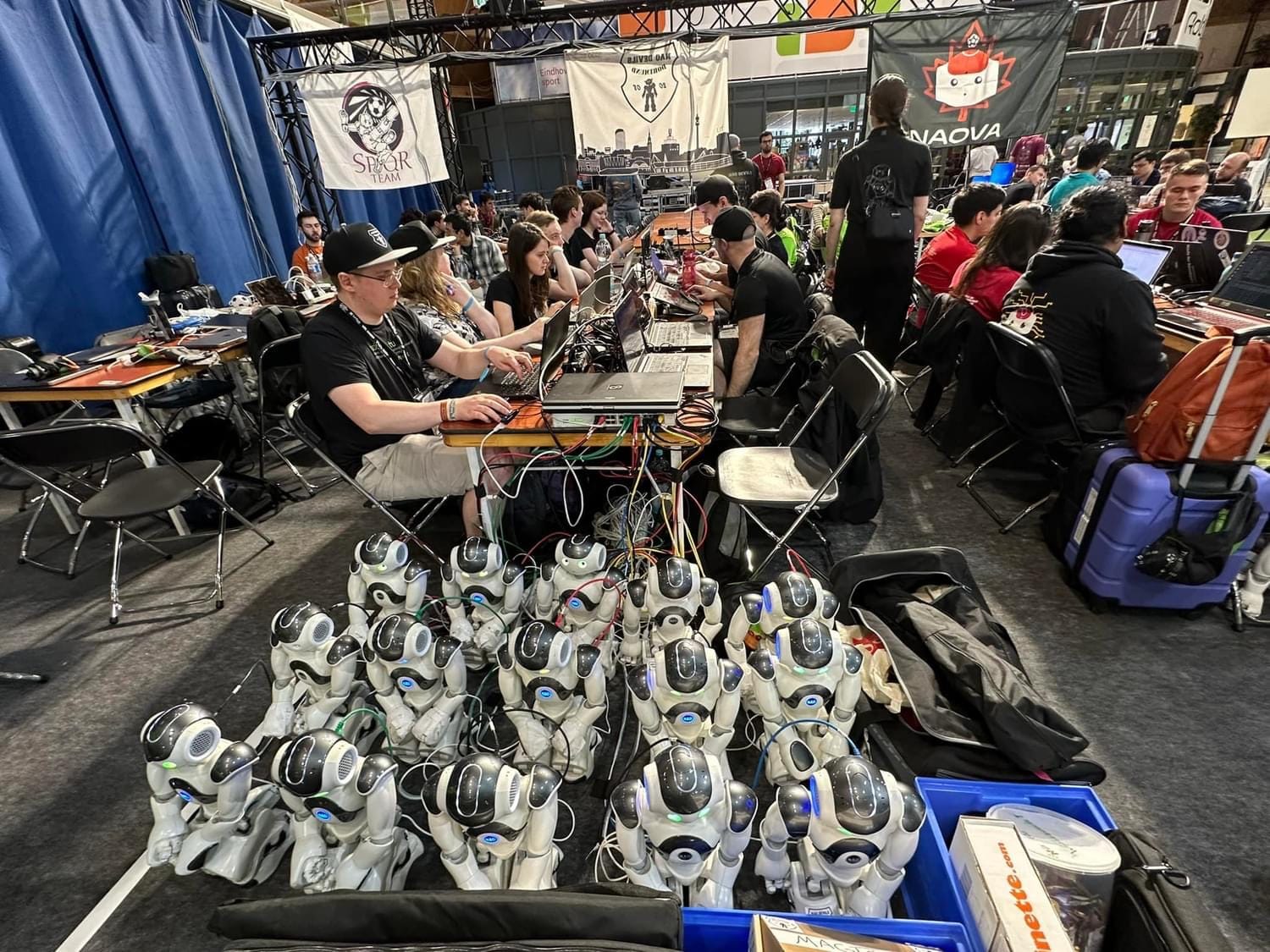
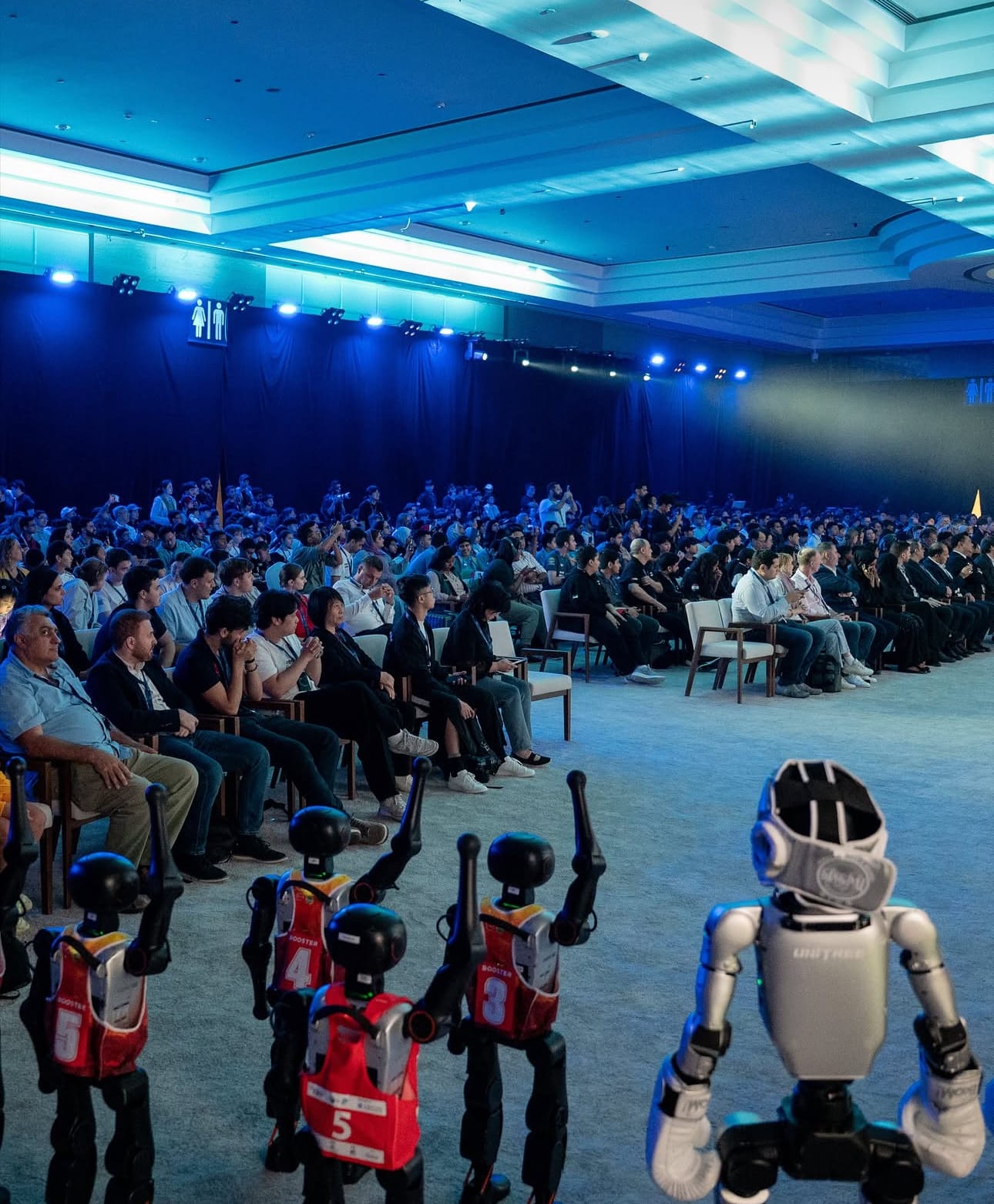
New for 2026: unifying the Humanoid and Standard Platform leagues. Bipedal robots play autonomously — vision, balance, locomotion and teamwork.
 University & research
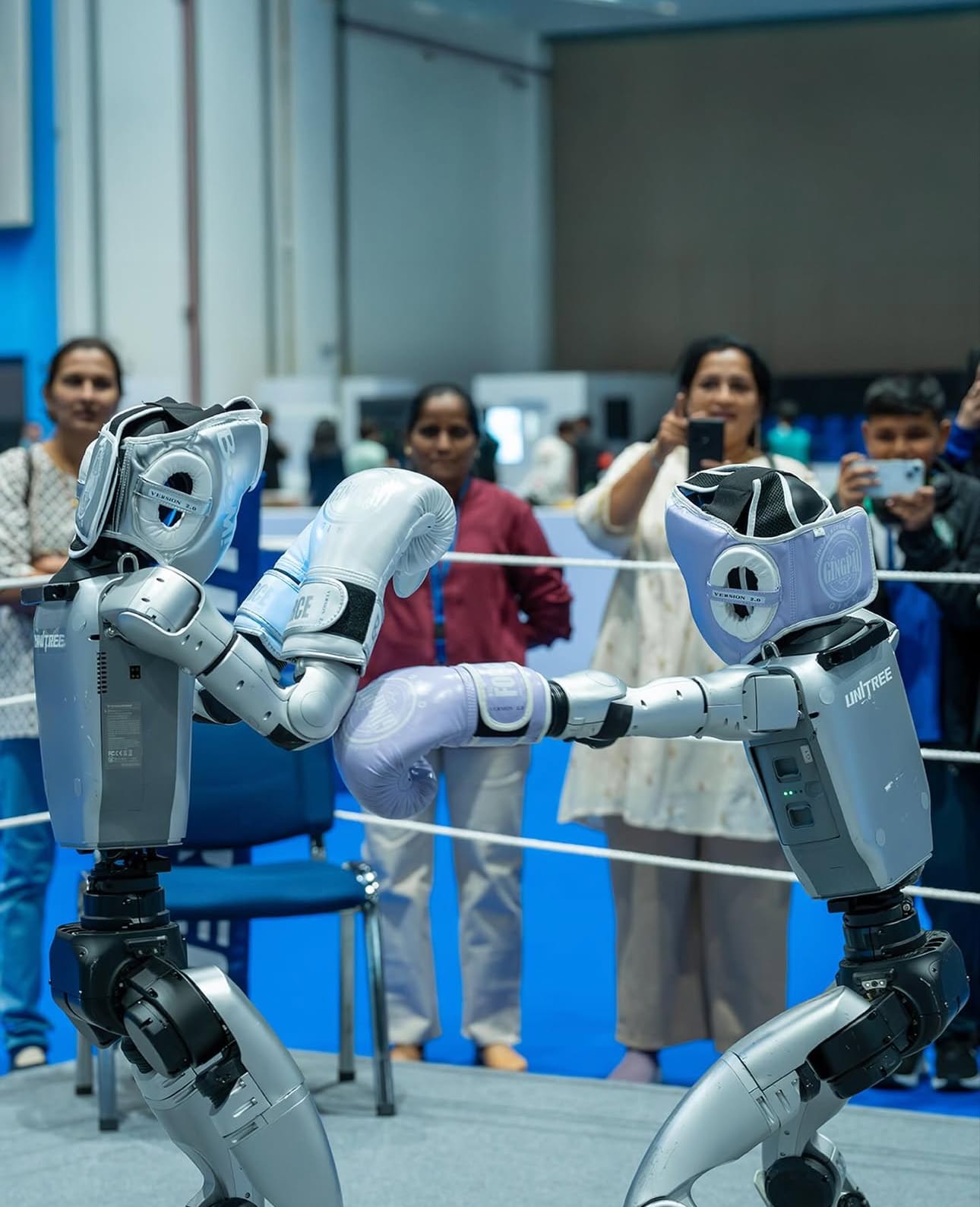
Robots with a human-like body and senses play soccer — dynamic bipedal locomotion, visual perception and self-localization (folding into HSL for 2026).
 University & research
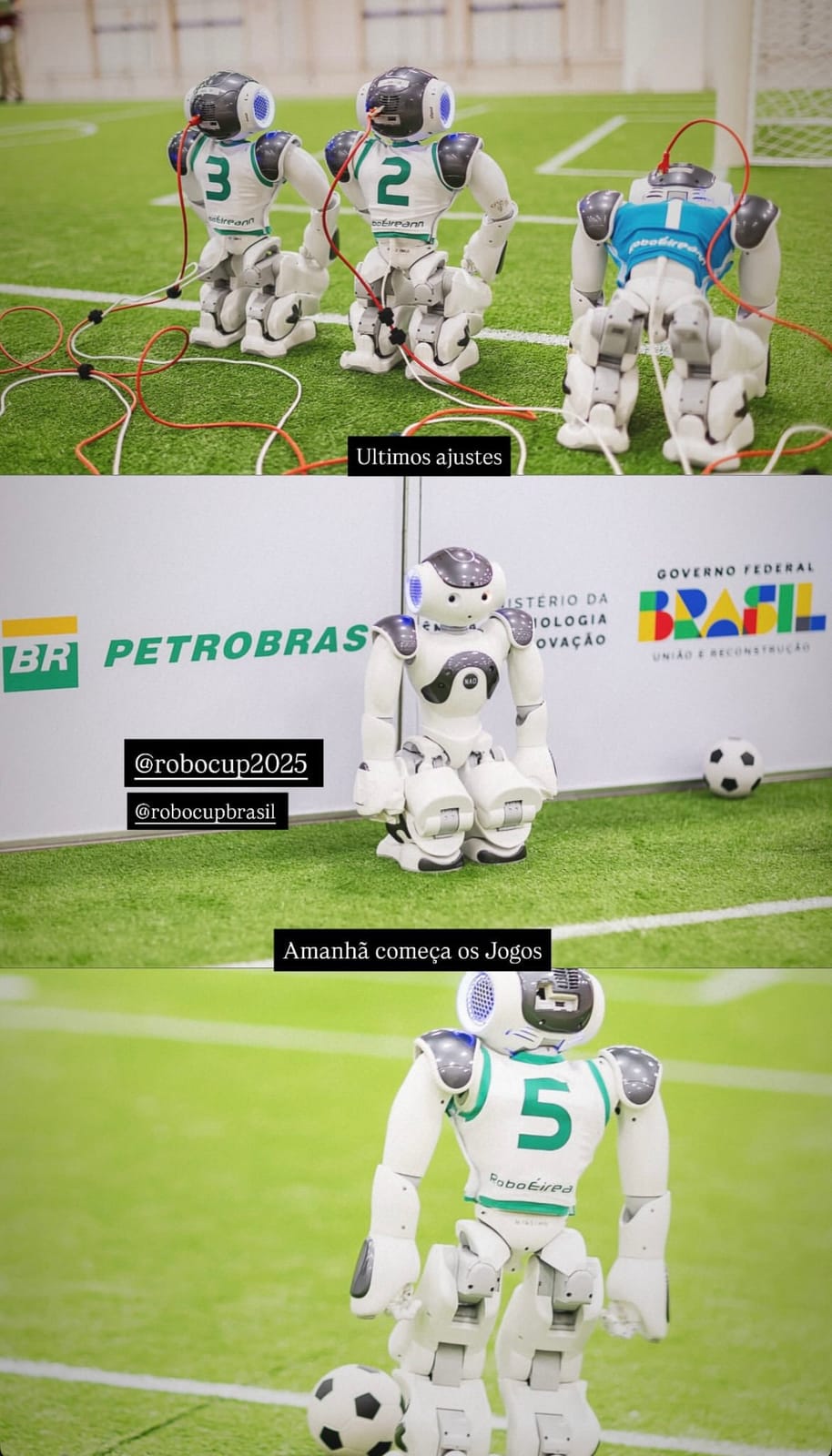
Every team uses identical robots, so the contest is purely about algorithms — autonomous play plus technical challenges (folding into HSL for 2026).
 University & research
Robots demonstrate mobility, mapping and victim detection in unstructured disaster environments, with objective evaluation of search-and-rescue performance.
 University & research
Simulators emulate realistic disaster phenomena while intelligent agents coordinate the response — infrastructure and AI developed hand in hand.
 University & research
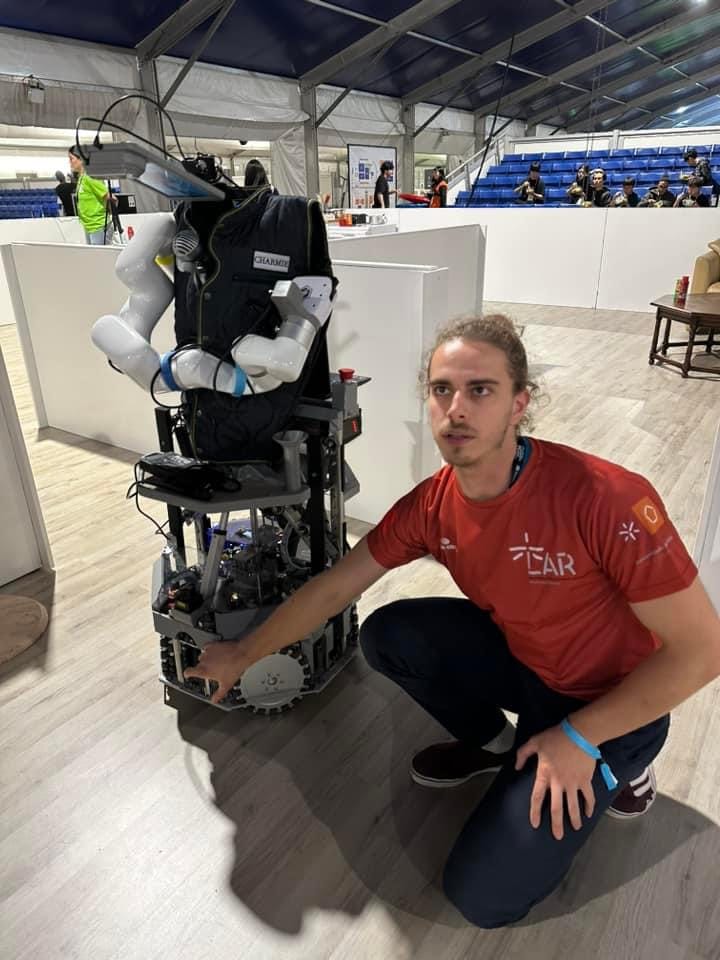
Teams bring any custom service robot to tackle everyday domestic tasks — the largest annual competition for autonomous service robots.
 University & research
A standardized home-service contest on Toyota’s Human Support Robot — identical hardware, so it’s all about household-assistance software.
 University & research
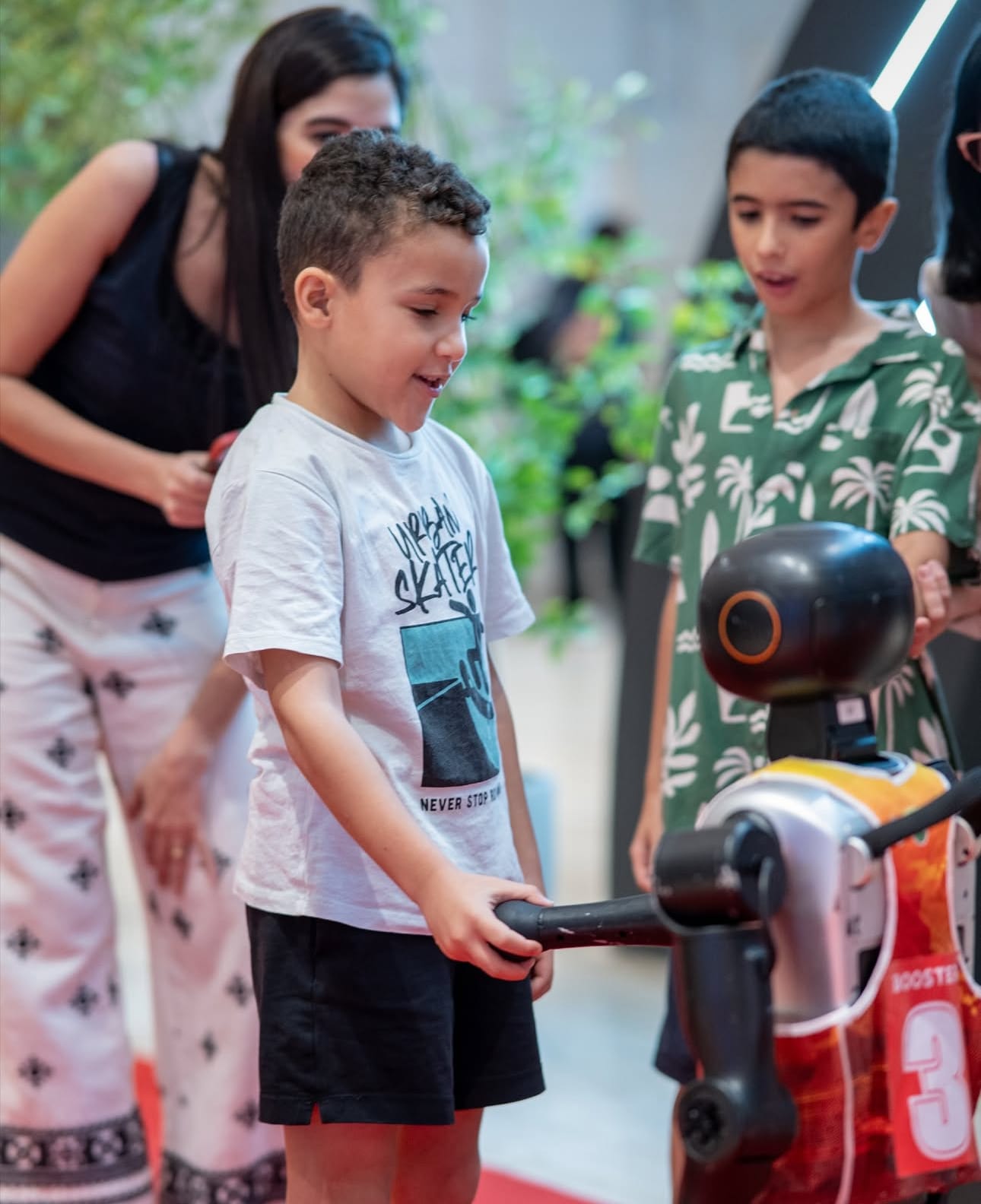
Built around SoftBank’s Pepper humanoid, this league centres on social human-robot interaction in the domestic setting.
 University, research & industry
Robots tackle work-related industrial and service tasks, applying RoboCup methods to challenges with direct relevance to industry.
 University, research & industry
Robots run a simulated smart factory, focusing on task-level planning, scheduling and multi-robot integration of a production workflow.
 University, research & industry
New for 2026: a fully integrated factory — production planning, on-demand manufacturing, warehousing and recycling, open to all platforms including humanoids.
 School students up to 19
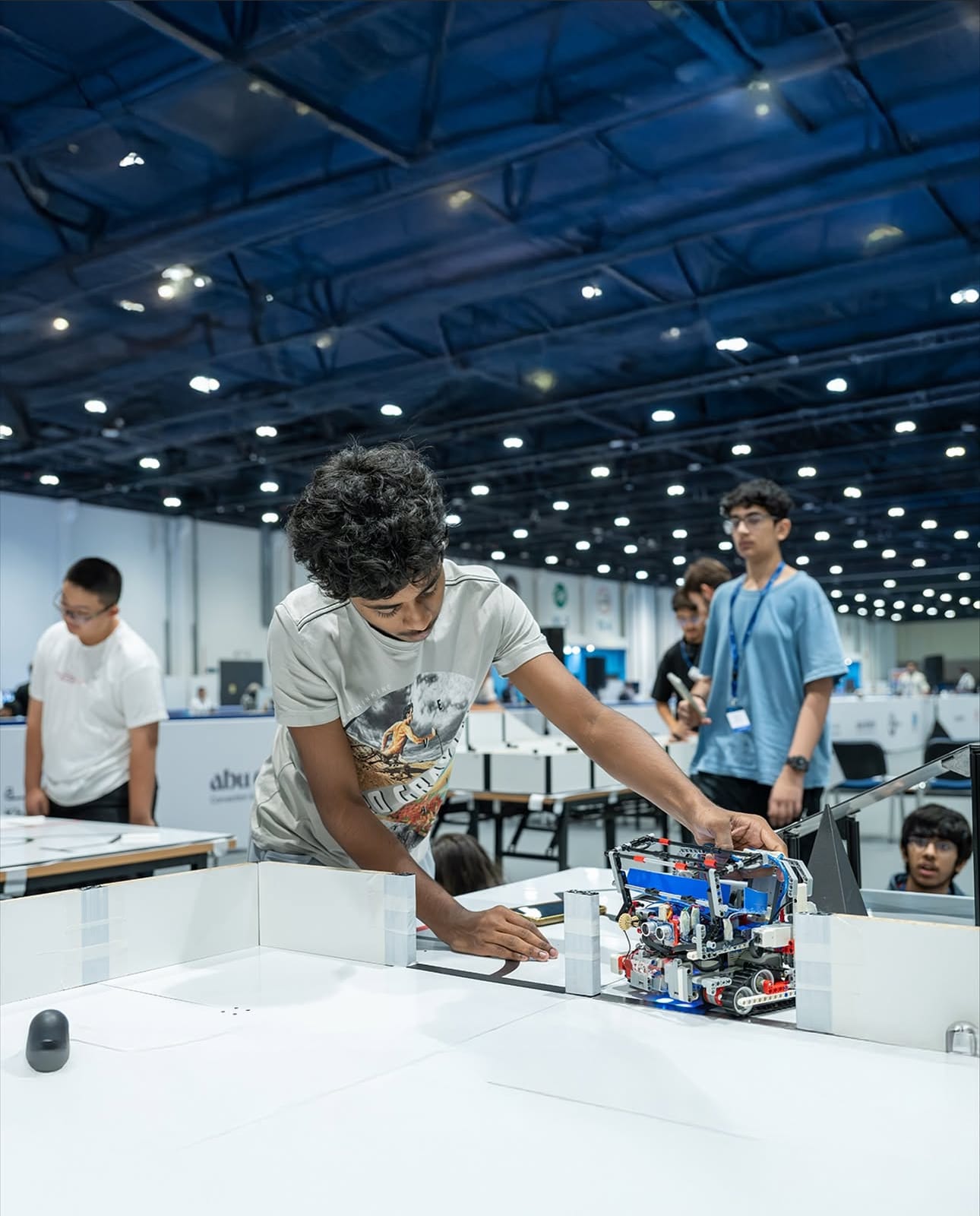
Two autonomous robots per team chase a special light-emitting ball on an enclosed field — a fast, accessible entry into autonomous robotics.
 School students up to 19
Robots perform a choreographed routine with music and costumes — a creative league blending programming, engineering and stagecraft.
 School students up to 19
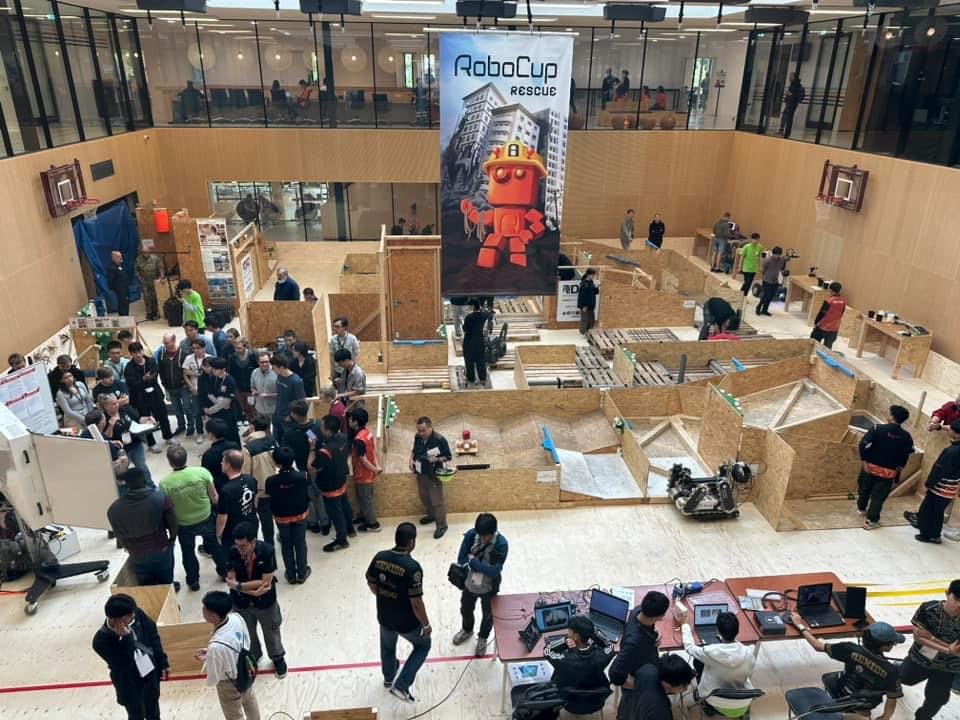
Robots identify victims in re-created disaster scenes — from line-following on flat ground to navigating obstacles on uneven terrain (Line, Maze & Simulation).
 School students up to 19
A simulation-based rescue league (Rescue Simulation) where teams program robots across real and virtual worlds to collect objects against an opponent.
Soccer, Rescue, @Home and Industrial draw university teams and research labs pushing the state of the art in autonomy.
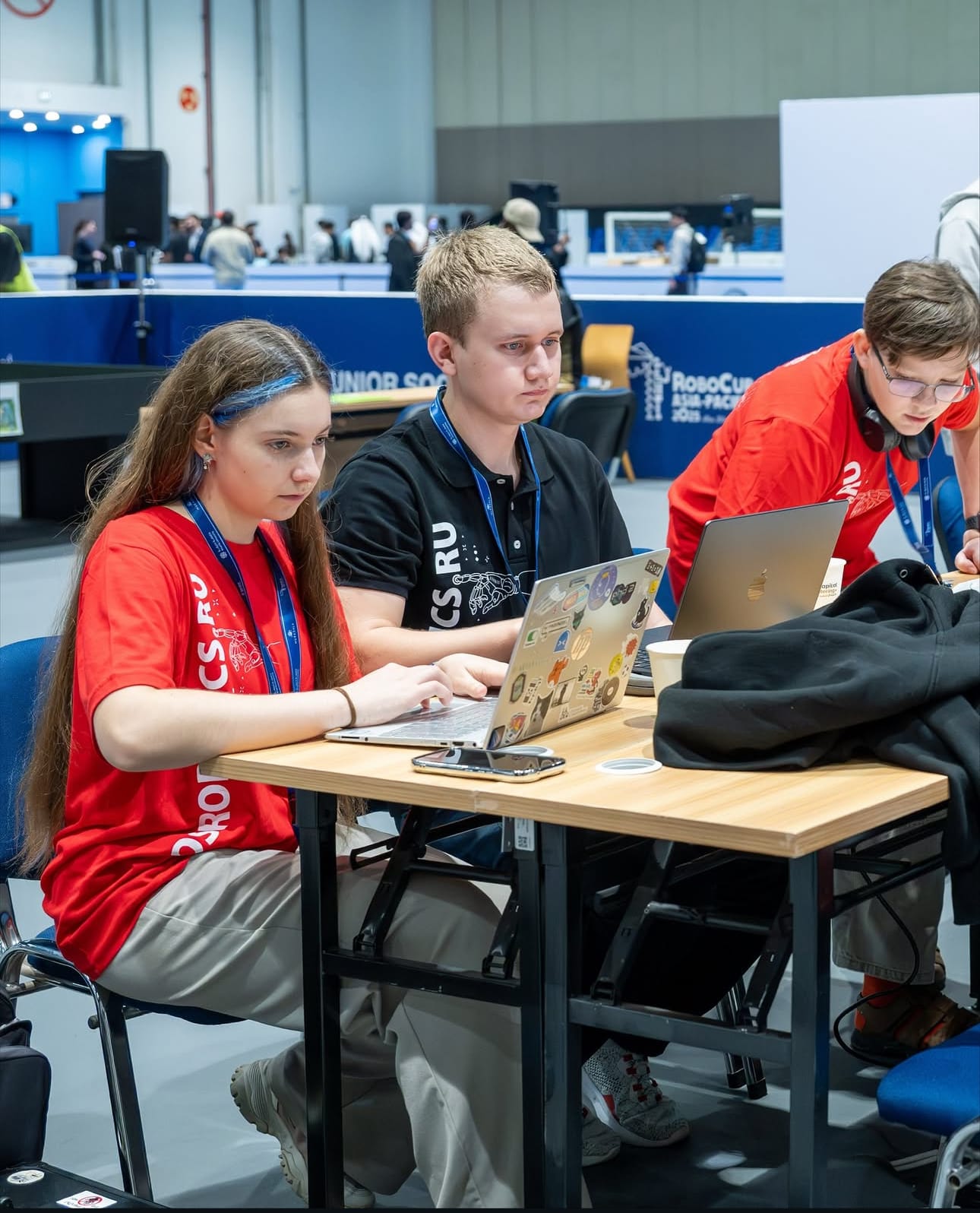
Soccer, OnStage, Rescue and CoSpace give primary and secondary students an accessible path into robotics.
Choose the domain and league that fits your team’s level and interests.
Design and program robots that perceive, decide and act fully autonomously.
Compete at the CNRS Canada Open to test your system and qualify.
Top teams represent Canada at the RoboCup world championship.
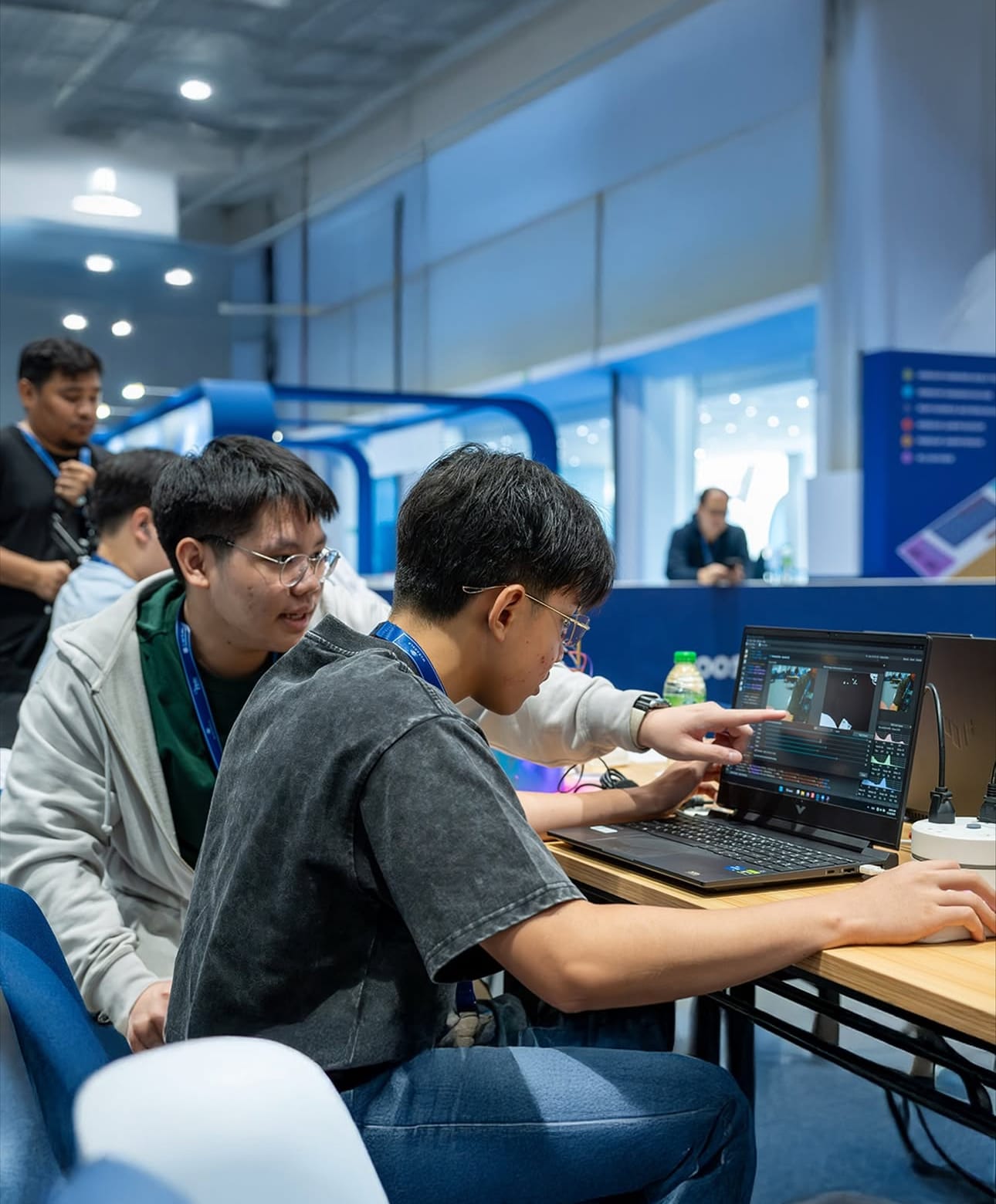
No remote control — robots sense, think and act on their own across every major league.
RoboCup advances published research in AI and robotics, not just competition results.
RoboCupJunior lets school students grow into the senior research leagues.
CNRS hosts it in Canada
Fall 2026 · date to be announced · Vancouver, British Columbia


Yes — across the major leagues robots are fully autonomous, with no human control during play.
Yes — RoboCupJunior (Soccer, OnStage, Rescue, CoSpace) is for school students up to age 19.
RoboCup 2026 takes place in Incheon, South Korea — the first time the event is held there.
Register your interest and our team will guide you to the next edition.